Brand Onboarder
A Figma plugin guides users through creating a brand and entering its design foundations. Changes can be reviewed in a preview before applying them.
A roadshow prototype made the app concept tangible for furniture retailers. The work grew into a shared design foundation with tools for adapting brands without redesigning every component.

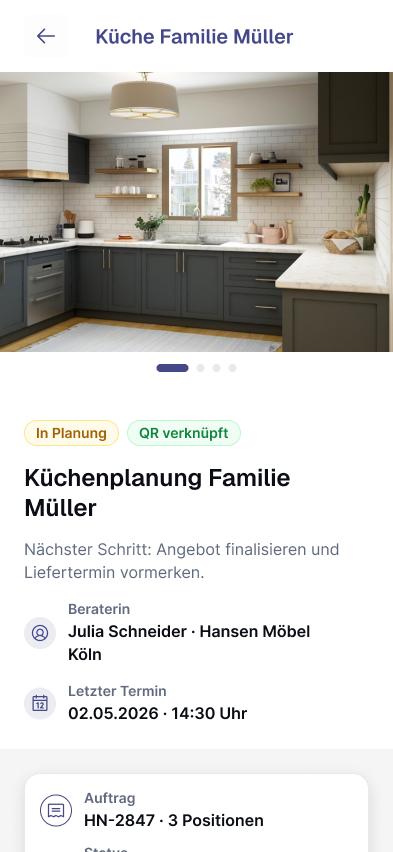
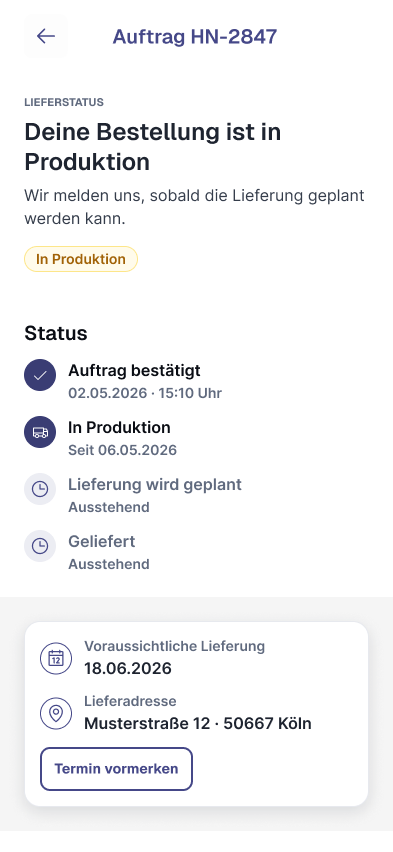
Furniture retailers needed to experience how an app could support their customers from consultation and planning through orders, delivery and service. A clickable prototype was required for the roadshow.
The client brought the multibrand vision. I led concept and design with my team. The Brand Contract, Brand Onboarder and Brand Engine were my proposed solution.
We designed the roadshow prototype and a system of shared components with interchangeable brand values. I developed the Brand Contract as a common set of rules, plus the Brand Onboarder Figma plugin, Brand Engine and web prototype with AI assistance.
The client could demonstrate the app idea at the roadshow and received a shared design foundation for multiple brands. Custom tools make it possible to maintain brand values without redesigning every component.
01 Starting point
Furniture retailers needed to experience the planned customer journey directly. We built a clickable flow for live demonstrations, turning the product idea into something tangible.
The orders area is one example: customers find everything related to their purchases in one place. Larger planning projects remain distinct because a kitchen, for example, involves additional consultations, renderings and documents.
The connected customer journey formed the starting point for the roadshow concept.
02 Design system
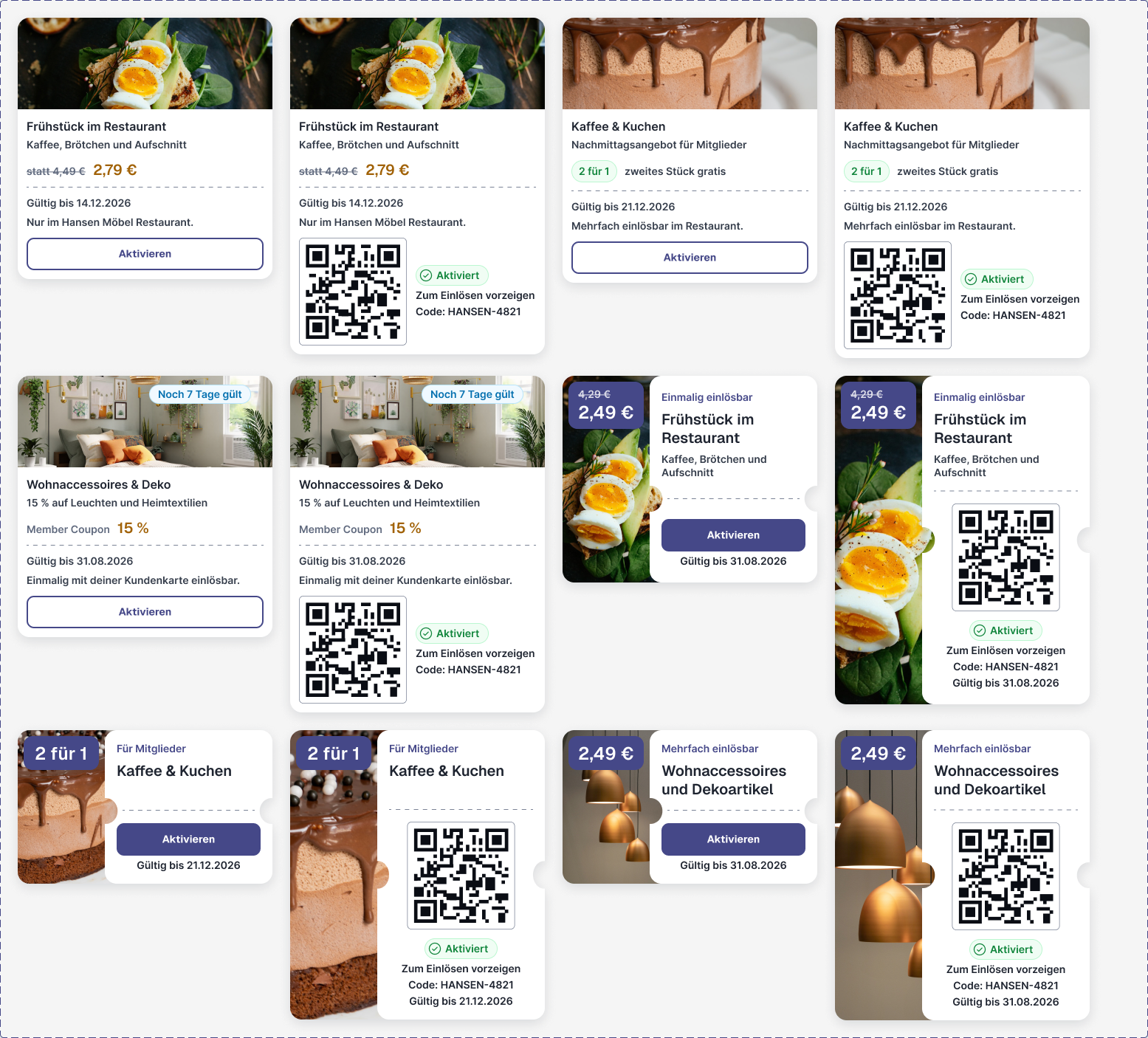
We developed the product structure and design system together. Concrete flows generated reusable components; using them in screens revealed missing content and states.
For different furniture brands, we separated basic design values from their meaning in the interface. Components refer to roles such as “primary action” or “secondary text”; the brand supplies the underlying values.
Brand adaptation also involves typography and corner radii. Those differences needed to work throughout the system without rebuilding each component for every brand.
The shared foundation connects work in Figma with Flutter and Widgetbook.
03 My initiative
The client proposed an app for multiple brands. My solution was a shared Brand Contract defining how brand values are used in Figma and code. I proposed Brand Onboarder and Brand Engine while developing the design system, then implemented them myself with AI assistance.

A Figma plugin guides users through creating a brand and entering its design foundations. Changes can be reviewed in a preview before applying them.
Shared rules process and validate brand data for Figma and the Flutter handover, including text/background colour combinations, typography and corner radii.
The Figma plugin and code generation use the same rules, keeping brand logic traceable in one place.
04 Prototype & testing
I also designed and implemented the functional web prototype myself with AI assistance. Inputs, filters, coupon activation and navigation responded to interaction, allowing us to explore behaviour beyond moving between screens.
A Maze test with nine responses provided specific findings about orientation:
Delivery progress needed greater prominence within the kitchen project.
Participants looked for locations under “More” and expected coupons under different terms or through other routes.
The feedback mainly identified improvements to information hierarchy and naming.

Outcome & my contribution
A common app foundation can be adapted to different furniture brands. The Brand Contract, Figma plugin and Brand Engine make that adaptation reusable and keep design and code rules together, providing a basis for expanding to further retailers.
A roadshow prototype made the concept tangible in conversations with furniture retailers.
Shared components, Brand Onboarder and Brand Engine support adaptation to different brands.
Interactive flows made it possible to examine usability and orientation.
My own implementation covers Brand Onboarder, Brand Engine and the web prototype. The development team is responsible for the actual app and backend.
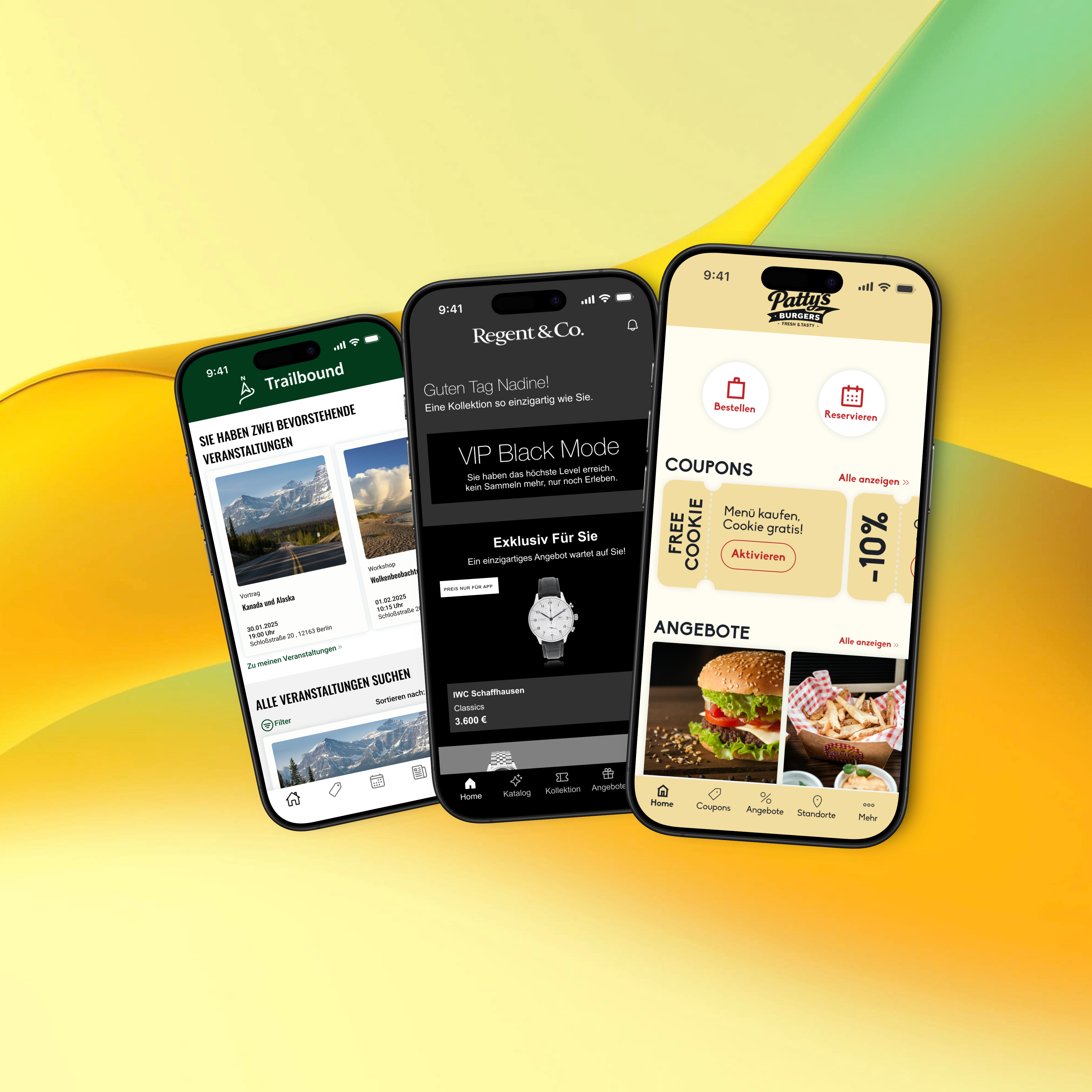
Concrete app variants made the loyalty concept tangible for conversations with different industries. Shared modules formed the foundation for these variants.
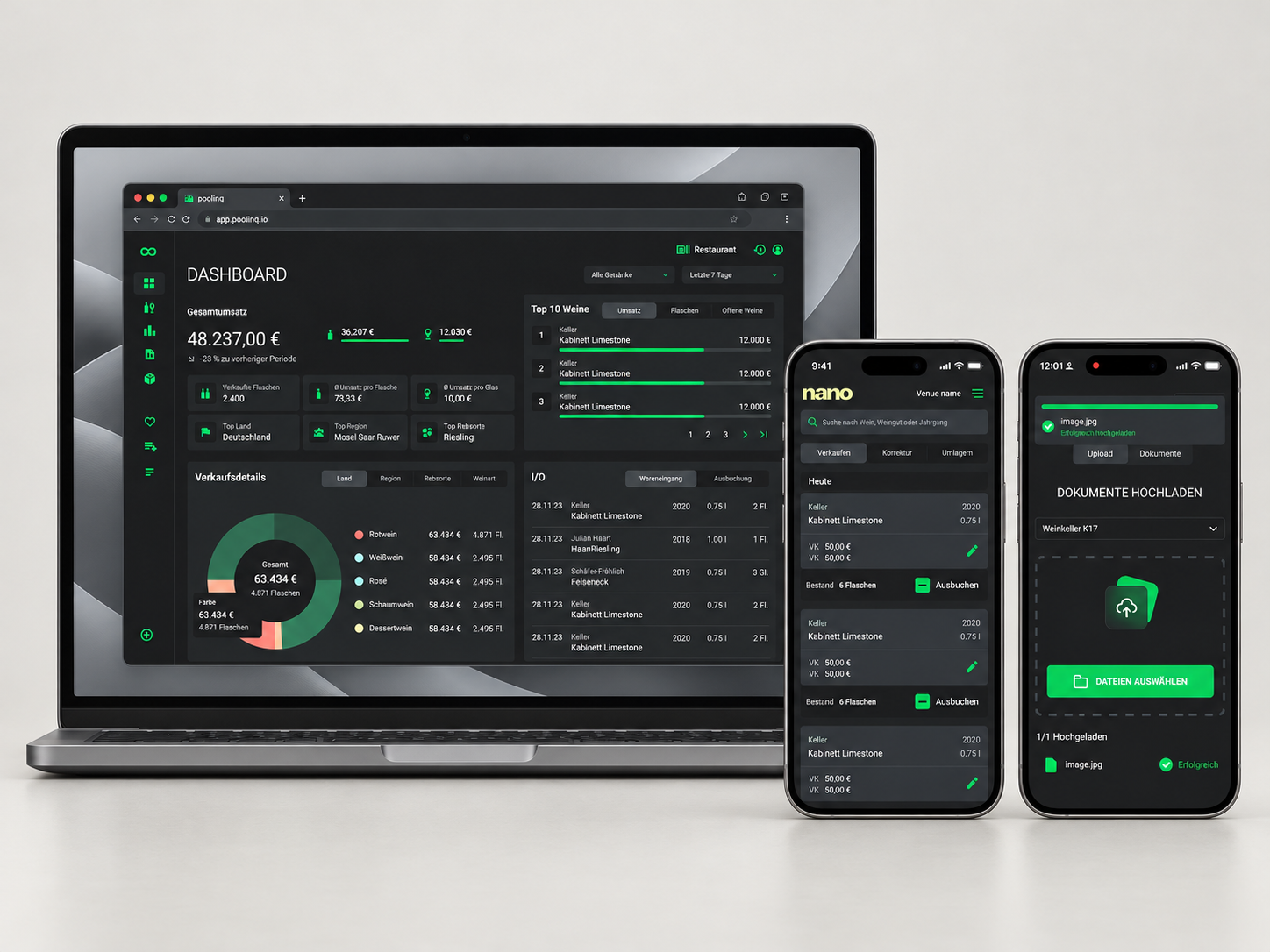
Less manual data entry when goods arrive: Drop uses AI to transfer invoice data into inventory management. Shared components provide a foundation for further product development.
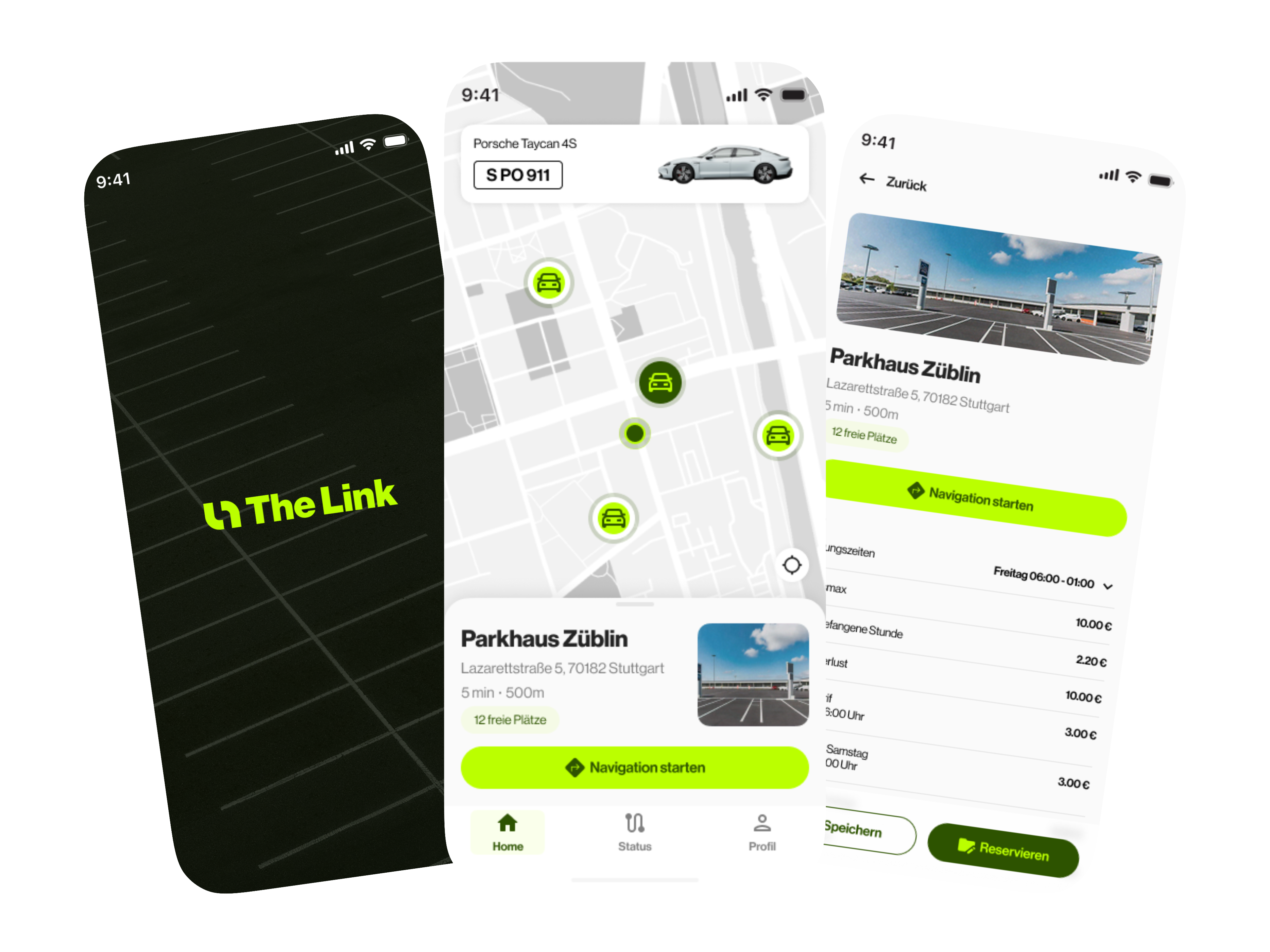
In around seven working days, a brand and reservation prototype was ready for partner presentations, without first having to build a finished app.